

In the rapidly advancing landscape of manufacturing, technological innovation is pivotal in driving industry advancements. As a standout in the realm of precision mechanical processing, gantry milling centers, with their exceptional performance and highefficiency production capabilities, serve as indispensable tools for numerous manufacturing enterprises aiming to enhance their competitiveness and achieve a transformation towards smart manufacturing. This article delves into the characteristics of gantry milling centers and their application value in contemporary manufacturing.
Characteristics of Gantry Milling Centers
Named for their "gantry" structure, these centers boast remarkable stiffness and stability. This design enables them to perform complex part processing at high precision and speed, including operations such as cutting, drilling, and milling of large components. Their core advantages include:
High Precision and Stability: The gantry structure provides unparalleled rigidity, effectively minimizing vibrations during the machining process, ensuring high precision and consistency of the machined parts.
Versatility: Equipped with multiple processing functions, from drilling to milling, they significantly boost productivity and flexibility.
Integration with Automation: They are easily integrated into automated production lines, supporting unattended operation to reduce labor costs and increase efficiency.
Adaptability: Capable of processing parts made from various materials and shapes, they are applicable across industries such as aerospace, automotive, mold manufacturing, and more.
Applications in Modern Manufacturing
As global manufacturing progresses towards smart and digital transformation, gantry milling centers demonstrate significant potential in several areas:
Aerospace Industry: For the manufacture of intricate and precise aerospace components, such as engine blades and aircraft structures, the high precision and efficiency of these centers are indispensable.
Automotive Manufacturing: In the processing of automotive components like engine blocks and transmission casings, the high production capacity and stable quality control of gantry milling centers are crucial.
Medical Devices: Producing precise medical equipment parts, such as surgical instruments and implants, requires extreme precision and surface quality, where gantry milling centers excel.
Mold Manufacturing: In the production of plastic molds and stamping molds, the highquality cavity machining provided by these centers increases the lifespan and productivity of molds.
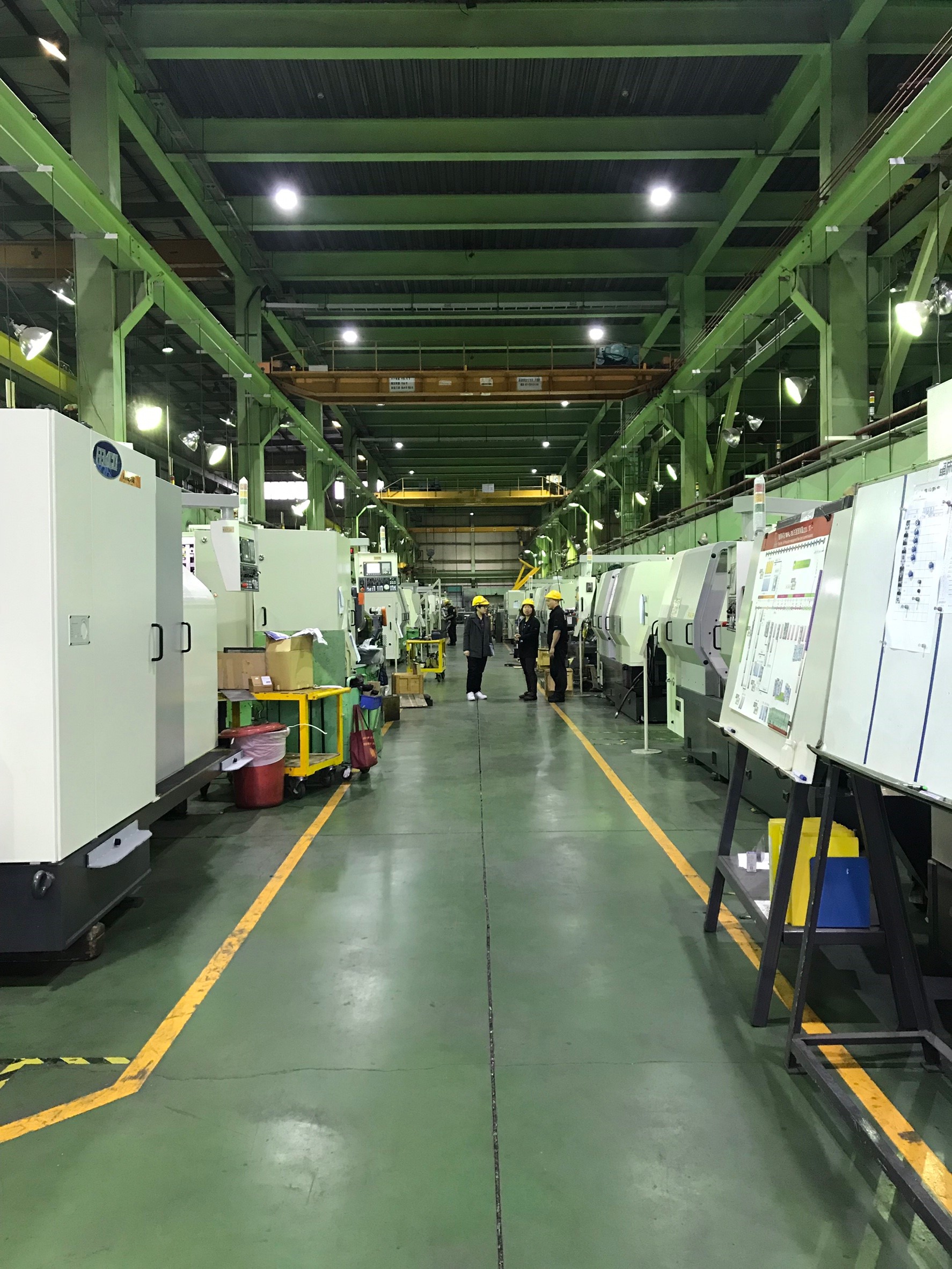
Conclusion
Gantry milling centers, with their unique advantages, have become an integral part of modern manufacturing. With ongoing technological advancements and innovations, it is anticipated that these centers will play a more significant role in a wider range of fields, facilitating the transformation and upgrading of global manufacturing towards higher levels of smart and green development. By boosting processing efficiency and ensuring product quality, gantry milling centers not only drive the transformation of the manufacturing sector but also contribute to the sustainable growth of the global economy.